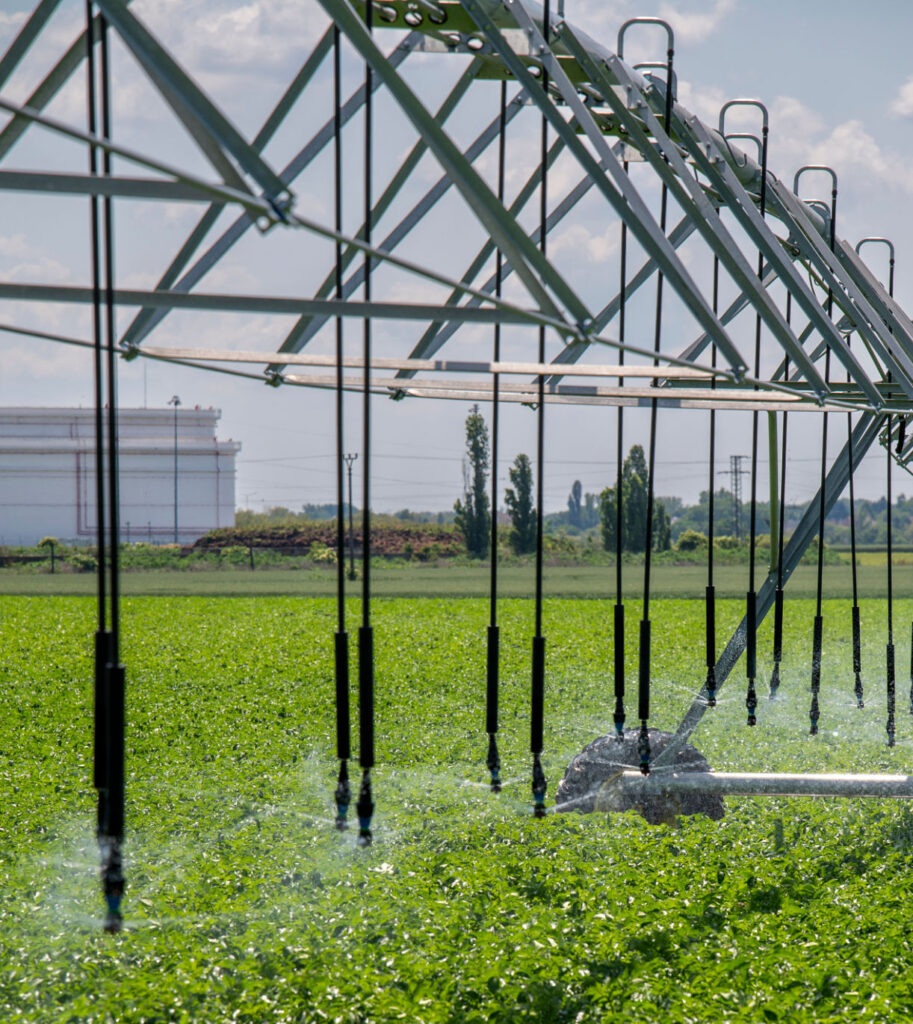
InjectorSentry is designed to support accurate fertigation and chemigation monitoring on center pivot irrigation systems.
Fertigation and chemigation have become essential practices in modern crop production, particularly for growers using center pivot irrigation systems. By applying fertilizers or other agricultural chemicals through irrigation water, producers gain greater control over application timing, placement, and efficiency. However, these benefits depend heavily on accurate monitoring to ensure products are applied evenly and safely across the field.
At Farmation, the focus is on helping growers improve application accuracy and protect irrigation investments through practical monitoring solutions. Products such as InjectorSentry Lite, part of the InjectorSentry monitoring platform, are designed specifically to support fertigation and chemigation on center pivot irrigation systems by providing clear, real-time visibility into injection flow during operation.
Understanding Fertigation and Chemigation
Chemigation is the general practice of applying agricultural chemicals through an irrigation system by injecting the product into irrigation water. Depending on the product applied, chemigation may be referred to as fertigation, herbigation, insectigation, or fungigation. Fertigation specifically refers to the application of fertilizers through irrigation systems.
In everyday use, the distinction between fertigation and chemigation is sometimes blurred, particularly in center pivot operations. In practice, most injection systems are used primarily for fertigation, with a smaller percentage dedicated to crop protection applications. Regardless of terminology, both practices rely on consistent and predictable flow to deliver uniform application across the field.
Why Monitoring Matters for InjectorSentry Users on Center Pivot Systems
Accurate monitoring is one of the most critical factors in successful fertigation and chemigation. Even small changes in injection flow can result in uneven nutrient or chemical distribution, leading to under-application in some areas, over-application in others, and unnecessary input costs.
Common issues that can affect application performance include tanks running empty during an application, clogged filters restricting flow, mechanical variability in injection equipment, and interrupted injection during long irrigation cycles. Without monitoring, these issues may go unnoticed until crop response or yield loss becomes visible.
Advantages of Fertigation and Chemigation
When properly managed, fertigation and chemigation offer several advantages over traditional application methods. Extension research highlights improved timing flexibility, reduced soil compaction, and the ability to apply nutrients or chemicals when field conditions are unsuitable for ground equipment.
Fertigation can also improve nutrient use efficiency by delivering fertilizer closer to peak crop demand. This is particularly important for corn and potatoes, where nitrogen timing and placement strongly influence uptake and yield.
Michigan State University Extension notes that fertigation and well-timed sidedress nitrogen applications can help protect both farm profitability and environmental outcomes by improving nitrogen efficiency.
Target Crops for Center Pivot Fertigation
Corn and potatoes represent two of the most common crops utilizing fertigation under center pivot irrigation. Both benefit from precise nutrient management and well-timed applications throughout the growing season.
In potato production, fertigation is often used to deliver nutrients incrementally rather than relying on a single pre-plant application. Field experience and research show that properly managed fertigation can improve tuber size uniformity and reduce nutrient losses. Guidance from the Manitoba Co-operator emphasizes the importance of proper setup and monitoring to achieve consistent results.
Other crops that may also utilize center pivot fertigation include dry beans, alfalfa, small grains, soybeans, and sugar beets, depending on regional practices and management goals.
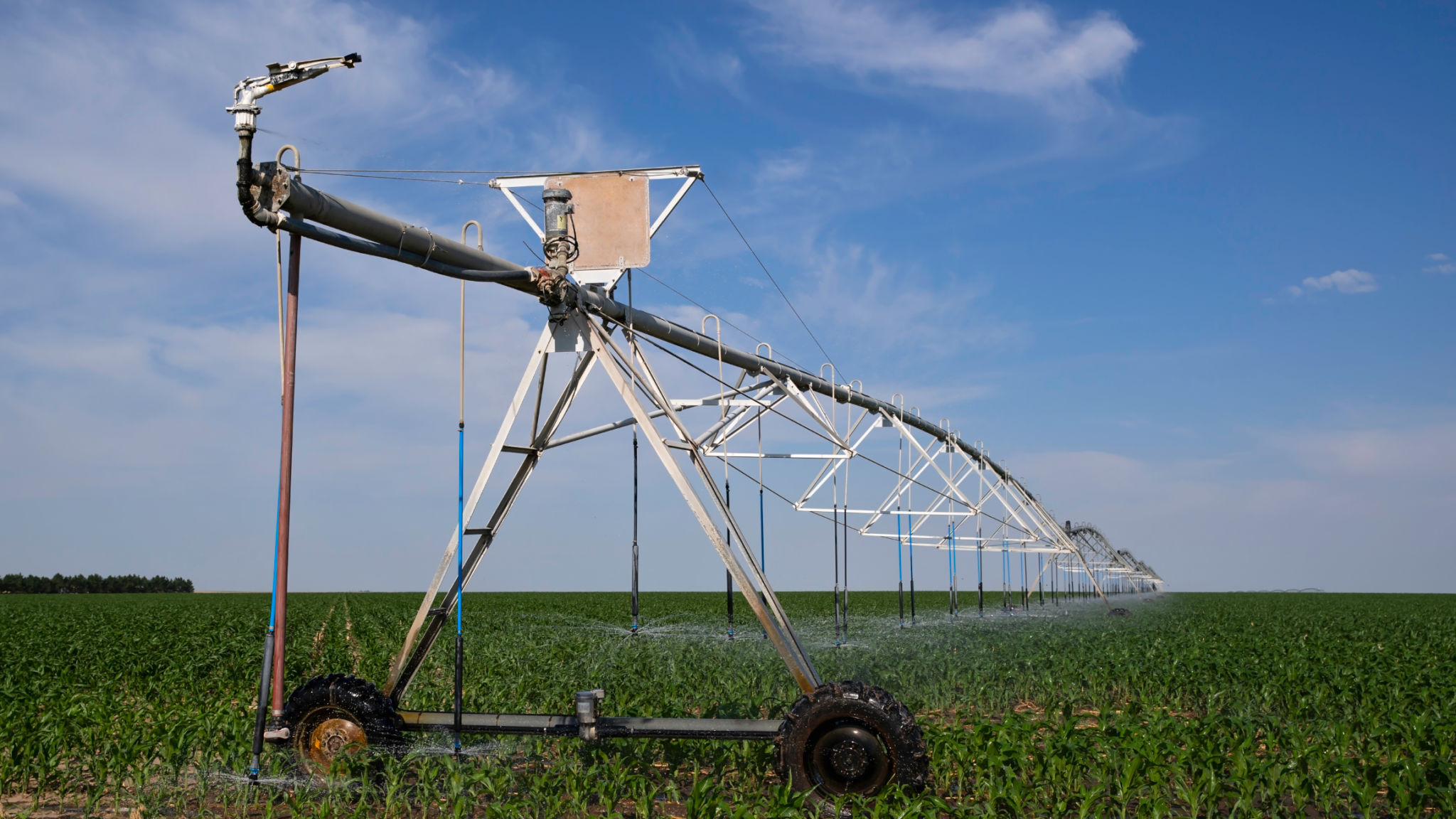
Focus on Center Pivot Irrigation Systems
While fertigation and chemigation can be used with different irrigation methods, the majority of modern applications occur on center pivot systems. These systems provide predictable water distribution patterns and are well suited for injection equipment when properly maintained.
For center pivot operators, maintaining consistent injection flow throughout the irrigation cycle is essential. Variability in injection performance can directly affect application accuracy across large areas, making monitoring a key part of system management.
To learn more about Farmation and its approach to improving irrigation efficiency, visit farmation.us